

Teleset in Mexico is making significant strides in reducing the environmental impact of their productions.
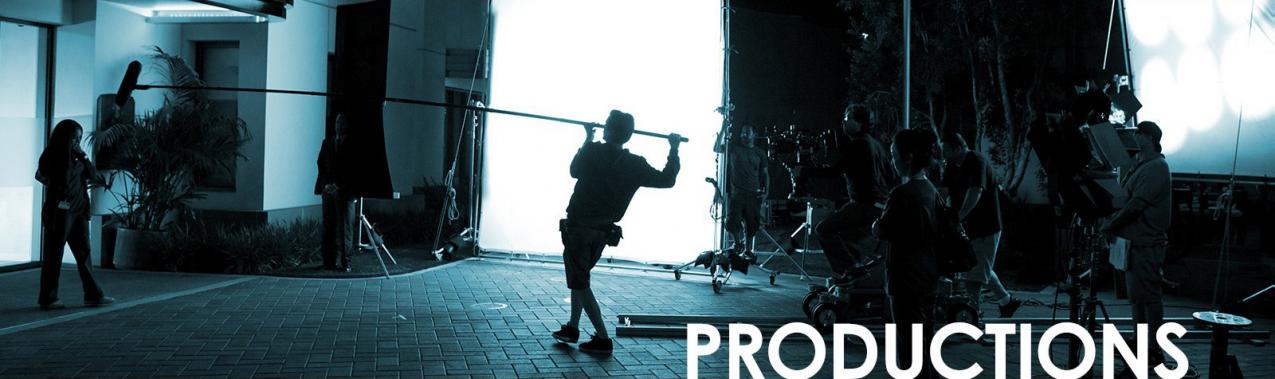
Our productions strive to be environmentally friendly and achieve sustainable production standards supporting Sony’s Road to Net Zero vision. We consider environmental impacts across our operations, from sourcing renewable electricity and fuel to managing waste and modeling sustainable behaviors on and off-screen.
HIGHLIGHTS

The Spider-Man franchise has inspired generations of audiences with stories of courage, responsibility, and hope, and Spider-Man: Brand New Day applied those same values behind the scenes, by taking responsibility for its environmental impact and embedding sustainability throughout every stage of production. These efforts earned the production a 3-star BAFTA albert certification and EMA Gold Seal, demonstrating that lower-carbon filmmaking can be achieved at scale.

Red Eye Season 2 demonstrates how integrating sustainability into everyday production workflows can deliver measurable impact. The production achieved a 2-star albert BAFTA accreditation, with a strong focus on energy efficiency. Key initiatives included the use of hybrid generators powered entirely by HVO, alongside battery solution trials and adopting circular practices, such as reusing assets and minimizing new builds.

The Breadwinner showcased how innovative clean energy solutions can reduce generator reliance on set. Using a pioneering “Solar Ring” system of solar-powered trailers and central battery storage, alongside a fully solar-powered camera truck, the production successfully reduced fuel use, noise pollution, and on-set emissions. These efforts contributed to the production achieving a Gold EMA (Environmental Media Association) recognition.

The Other Bennet Sister demonstrates how sustainability can be successfully embedded into a high-end drama without compromising creative ambition. The production achieved a 2-star albert BAFTA accreditation, with key initiatives including the use of renewable fuel and 100% renewable grid electricity. Through early planning and integrated decision-making, the production achieved a carbon footprint 19% below the industry average.
Dear England (Left Bank Pictures) embedded sustainability at every stage of the production, achieving a 3-star albert BAFTA accreditation and the Green Screen Silver award through measurable, practical action from running generators and unit moves on renewable fuel, to powering studios and stadium shoots with 100% renewable energy.

The Lady (Left Bank Pictures) embedded sustainability at every stage of physical production, achieving a 3-star albert BAFTA accreditation and the Green Screen Silver award through measurable, practical action. Key initiatives included the use of renewable fuel, LED lighting, and renewable electricity at studio days, alongside waste separation with four waste streams and a zero-waste-to-landfill approach.

As Outlander enters its eighth and final season, Sony Pictures Entertainment (SPE) is proud to recognize the production’s long-standing commitment to sustainability. Since Season 1, Outlander has participated in SPE’s Sustainable Production program, consistently reducing its carbon footprint while improving the environmental performance of its primary studio facility. The series closed achieving an EMA Gold Seal.
I KNOW WHAT YOU DID LAST SUMMER

I Know What You Did Last Summer filmed in Sydney, Australia, and Los Angeles, USA, embraced innovative sustainable practices to significantly reduce its environmental footprint during production.

For the 2025 horror packed film, Until Dawn, the physical production team used 70% of renewable diesel (Hydrotreated vegetable oil HVO)
SUSTAINABLE PRODUCTION

Sony Pictures is a founder and early supporter of industry organizations that support productions with the implementation of sustainable practices both on and off screen. Sony Pictures and other major studios, streamers and broadcasters work alongside these local consortiums to drive the industry towards a more sustainable future.

Our Features and Television shows are produced across the globe and consistently seek ways to reuse sets or donate sets, props and wardrobe pieces to save valuable resources and help non-profit organizations.

Production carbon footprint analysis revealed that fuel consumption is the primary source of Greenhouse Gas (GHG) emissions for most productions. Fuel, such as gasoline or diesel, is used in vehicles transporting people and gear and generators for two power trailers, lighting and other equipment.

In partnership with our Feature Film and Television production teams, plans are prepared to reduce environmental impacts, educate cast and crew on environmental best practices, and expand the use of sustainable technologies.
Contact Us | Visit SonyPictures.com
The Amazing Spider-Man 2 ©2014 Columbia Pictures Industries, Inc. Marvel, Spider-Man and all related character names and their distinctive likenesses: ™ & © 2014 Marvel Entertainment, LLC and its subsidiaries. All Rights Reserved. The Angry Birds Movie ©2016 Rovio Animation Ltd. and Rovio Entertainment Ltd. Angry Birds and all related properties, titles, logos and characters are trademarks of Rovio Entertainment Ltd and Rovio Animation Ltd and are used with permission. All Rights Reserved. The Smurfs 2 Movie ©2013 Columbia Pictures Industries, Inc. SMURF, and all Smurfs characters: ©Peyo. All Rights Reserved. "Smurf" and "The Smurfs" are registered trademarks of STUDIO PEYO.
Privacy Policy | Terms of Use | My Privacy Choices 
© 2022 Sony Pictures Entertainment. All Rights Reserved.